Trip Overview
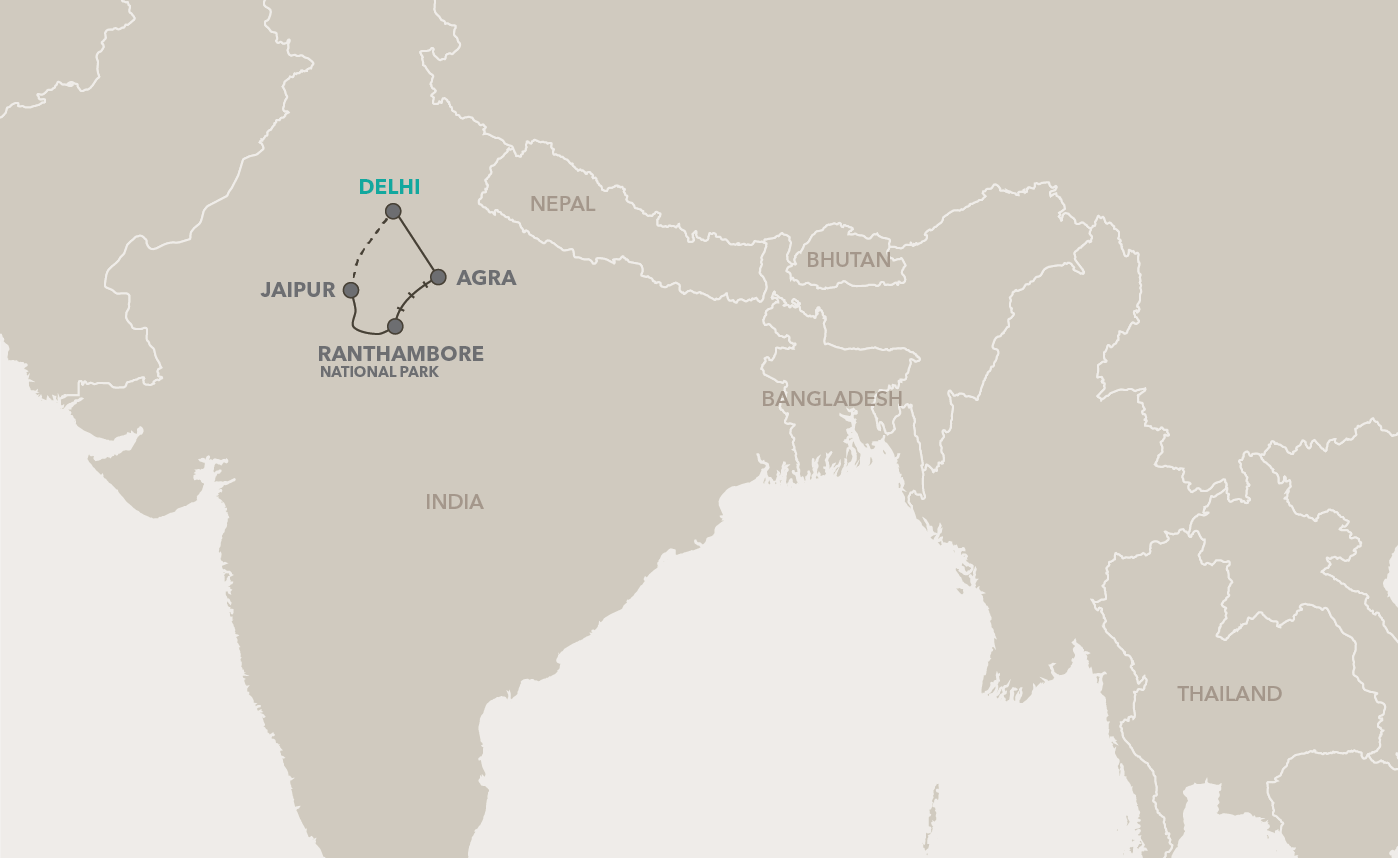
This 8-day trip is an exciting introduction to magnificent India’s architecture, wildlife, and vibrant culture – suitable for first-time visitors or those who are limited in time. Begin your journey by wandering around the pink city of Jaipur, amongst a spectacular display of royal palaces, forts, and lively bazaars. Venture beyond the wall, you will find the breathtaking Amber Fort made out of red sandstone and an exhilarating safari waiting for you in Ranthambore’s deep jungle. Here, enjoy twice-daily game drives in a quest to spot the elusive Bengal Tigers before we move on to visit Agra and the Taj Mahal. End your journey by exploring every historic corner of Delhi, one of the most impressive capital cities in the world where past and present co-exist happily.
Trip Itinerary
Day 1 - 3
JaipurScheduled flight to Jaipur
Arriving at Delhi International Airport, you will immediately catch a domestic flight bound for Jaipur
Private transfer to Jaipur's hotel
Accommodations in Jaipur
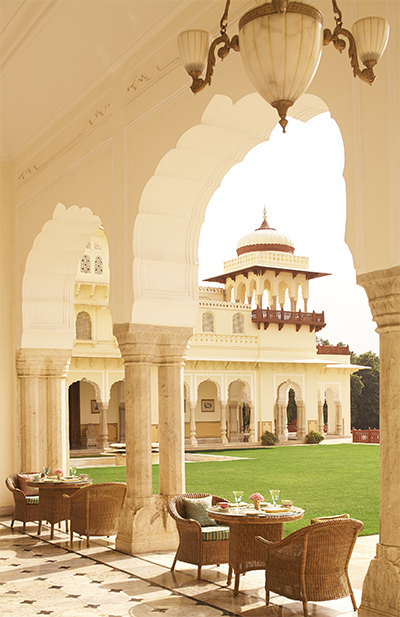
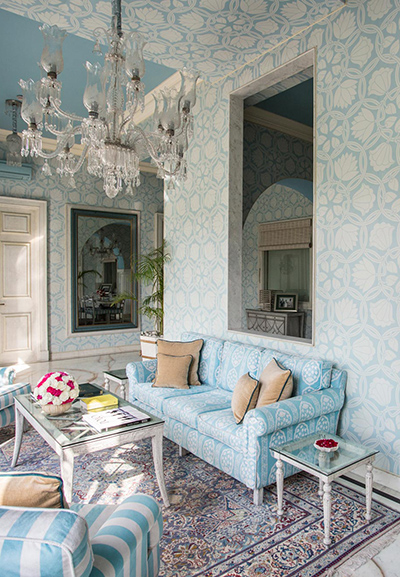
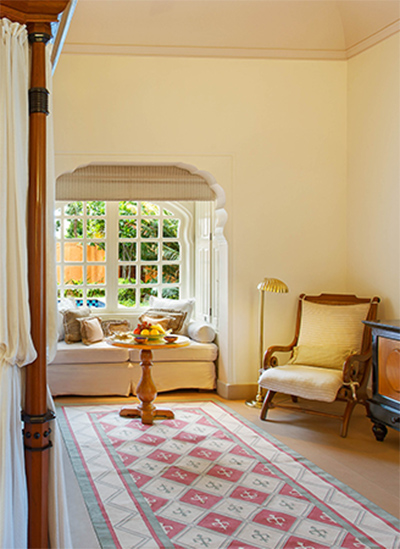
Guided walk in the Pink City
Explore the bustling heart of Jaipur with your private guide and reveal the secret behind the nickname “pink city” by visiting some of its most ornate monuments. Your tour will begin at the City Palace, a vast complex built for the royal family with seemingly never-ending successions of courtyards, gardens, temples, and fountains. Although dominated by the Hindu design style of Shilpa Shastra, the complex also receive some Rajput, Mughal and European influences, creating the perfect harmony.
Across the palace, you will an 18th-century observation site called Jantar Mantar, which dedicated to various astronomical and architectural instruments employed by scientists in the past, including the world’s largest sundial. Your last stop is the picturesque Hawa Mahal or the palace of the winds. This five-story building and the 953 small lattices are one of the most photogenic sites in India, which were first built for the royal ladies to watch the bustling street life underneath without being seen.

Jaipur Market Visit
For you to truly experience the authentic Jaipur, your private guide will take you to one of the city’s most vibrant bazaar. During your visit, expect to rub shoulders with the locals, come across cycle-rickshaws and wandering cows, and see craftsmen and artisans working on their exquisite goods. There is also a chance to enjoy a cup of tea with a local family and delight in delicious regional street snacks.

Private tour of Amber Fort
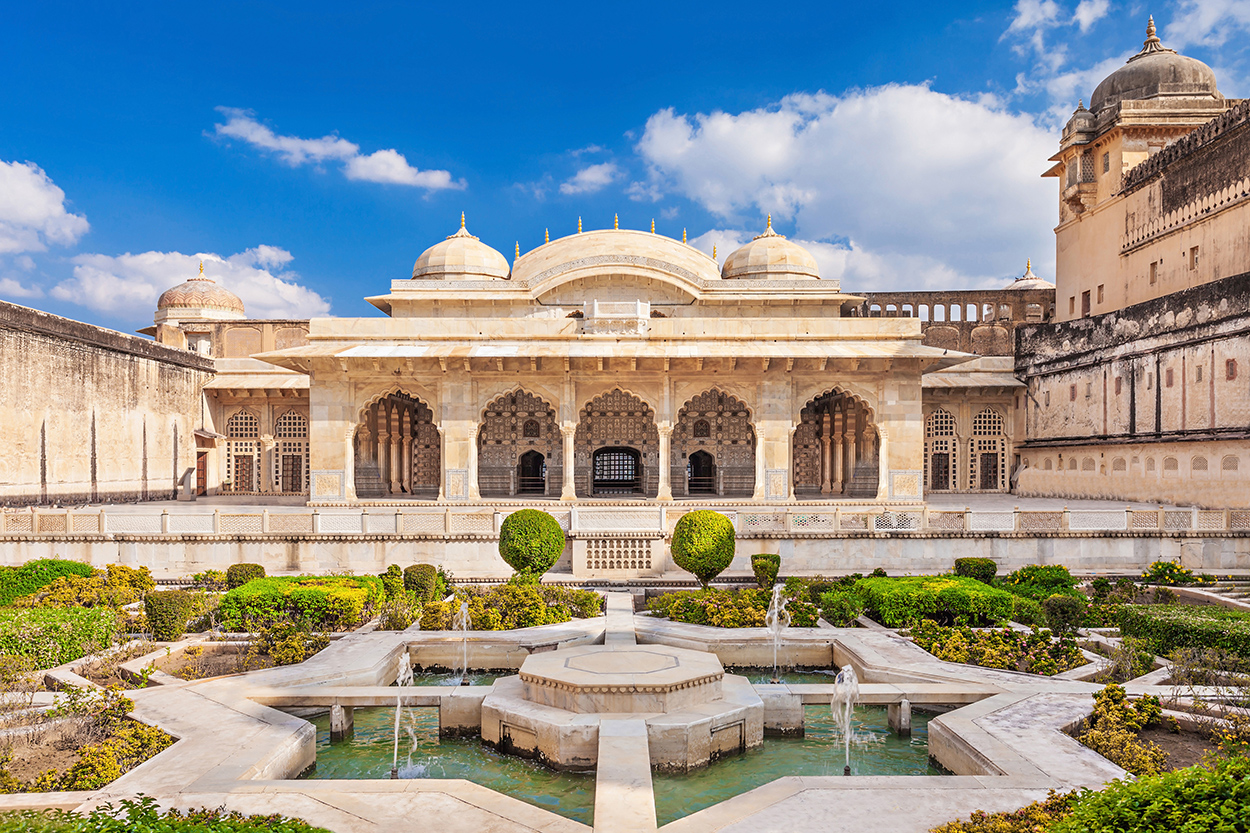
Standing high on a hill and overlooking the shimmering Maota Lake, Amber Fort is considered one of India’s architectural masterpieces and part of the protected UNESCO sites. While the capital of Amber has moved away to Jaipur since the 17th century, the palace somehow retains its former glory. As you walk from one courtyard to another, you will be dazzled by a series of private halls, including the most iconic Hall of Mirrors that is covered in shards of mirror and colored glass to reflect light. Other highlights include the many-pillared hall of public audience, the hall of victory and its mirrored ceiling, and the hall of pleasure, which adopted a creative room cooling system by using water.
Road transfer to Ranthambore National Park
Day 3 - 5
RanthamboreAccommodations in Ranthambore National Park
Tiger Safari in Ranthambore National Park
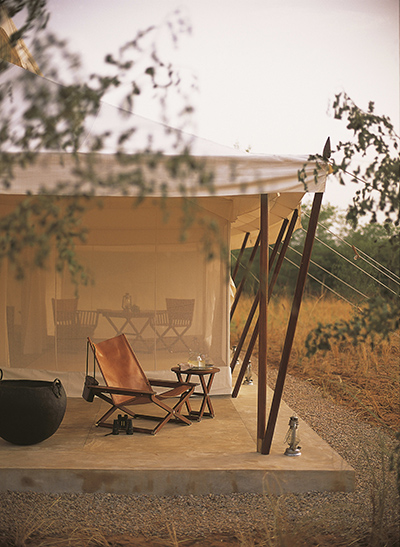
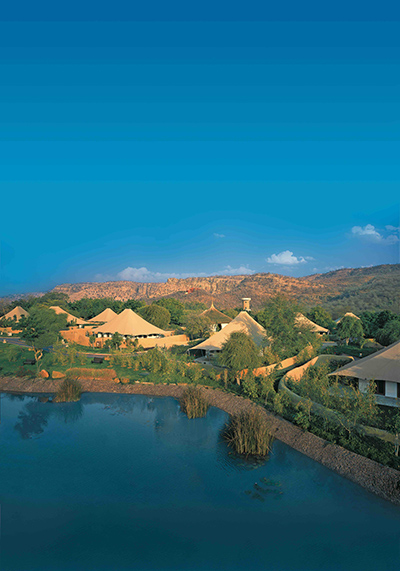
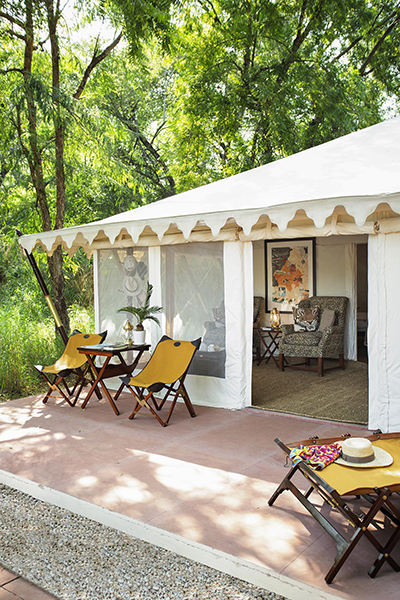
Originally a hunting ground for the maharaja of Jaipur, Ranthambore is today one of the most famous national parks in India and protected sanctuary for the big cats. Your days here will be spent covering the extensive grounds on morning and afternoon game drives. While you keep your eyes open for tiger, your experienced rangers will point out other exotic animals: deer grazing around the grassland, monkeys swinging from trees to trees and crocodiles floating along the lake shores. You may also drive around the beautiful Rajbagh Lake, which is a perfect spot for birdwatchers, and past the ruins of Ranthambore Fort that are often frequented by predators such as the regal leopard, striped hyena, and Indian fox.

Guided tour of Fatehpur Sikri
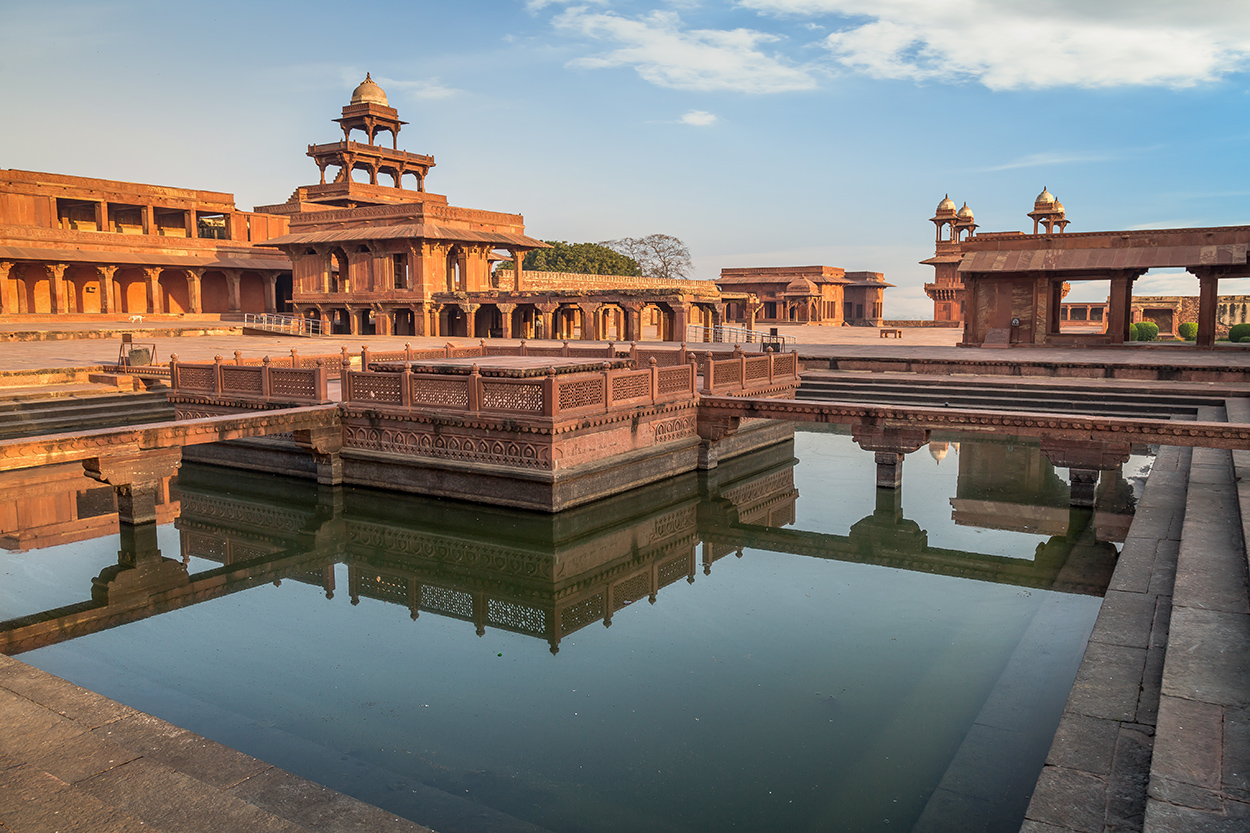
En route to Agra, we will stop at the short-lived Mughal capital of Fatehpur Sikri. Built in the second half of the 16th century by Emperor Akbar, this palace is one of the best-preserved Mughal architecture, which received a blend of Islamic and Hindu influences. It took fifteen years to finish the construction and was occupied for fourteen years after its completion before later abandoned due to severe water shortage. Although deserted for years, you can still find the Emperor’s finesse reflected on the grand mosque, palaces, gates, tombs, and many other structures.
Road transfer to Agra
Day 5 - 6
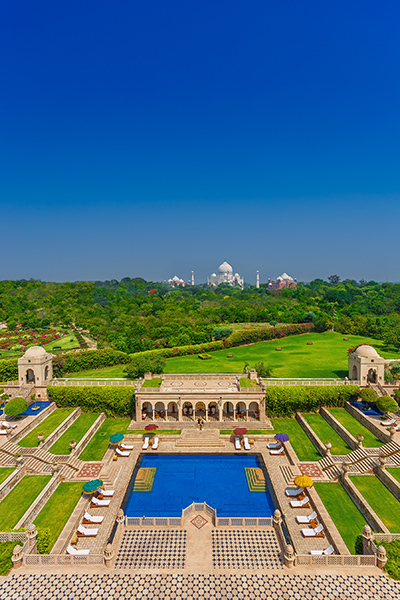
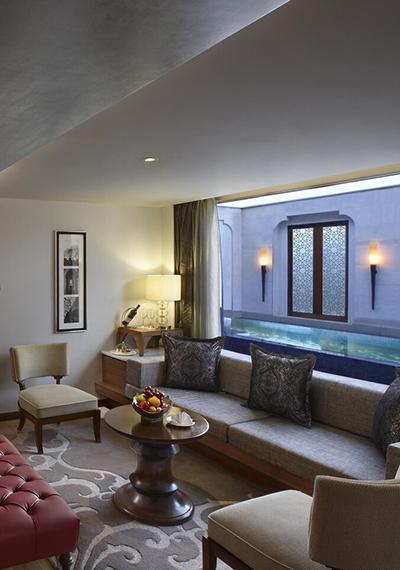
AgraAccommodations in Agra
Sunrise in Taj Mahal
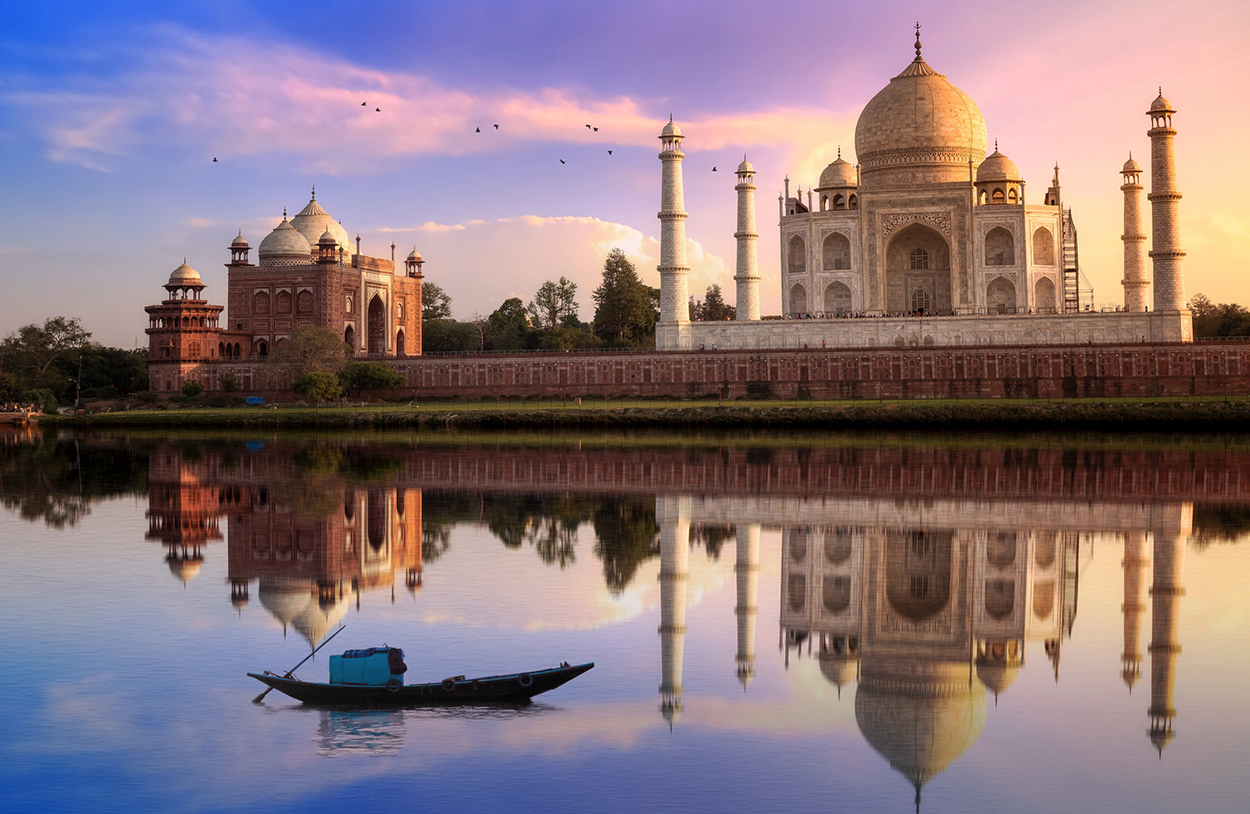
Watching the changing colors phenomena of the Taj Mahal is perhaps one of the most magical experiences that are on everyone’s bucket list. As the sun cast its rays onto the outstanding palace, we can observe different hues and colors on the marble surface, from pink to yellow to bright white. When the light show is over, enter the perfectly symmetrical mausoleum and marvel at the majestic interiors while your guide shares a romantic story behind this exceptional monument
Guided Tour of Agra Fort
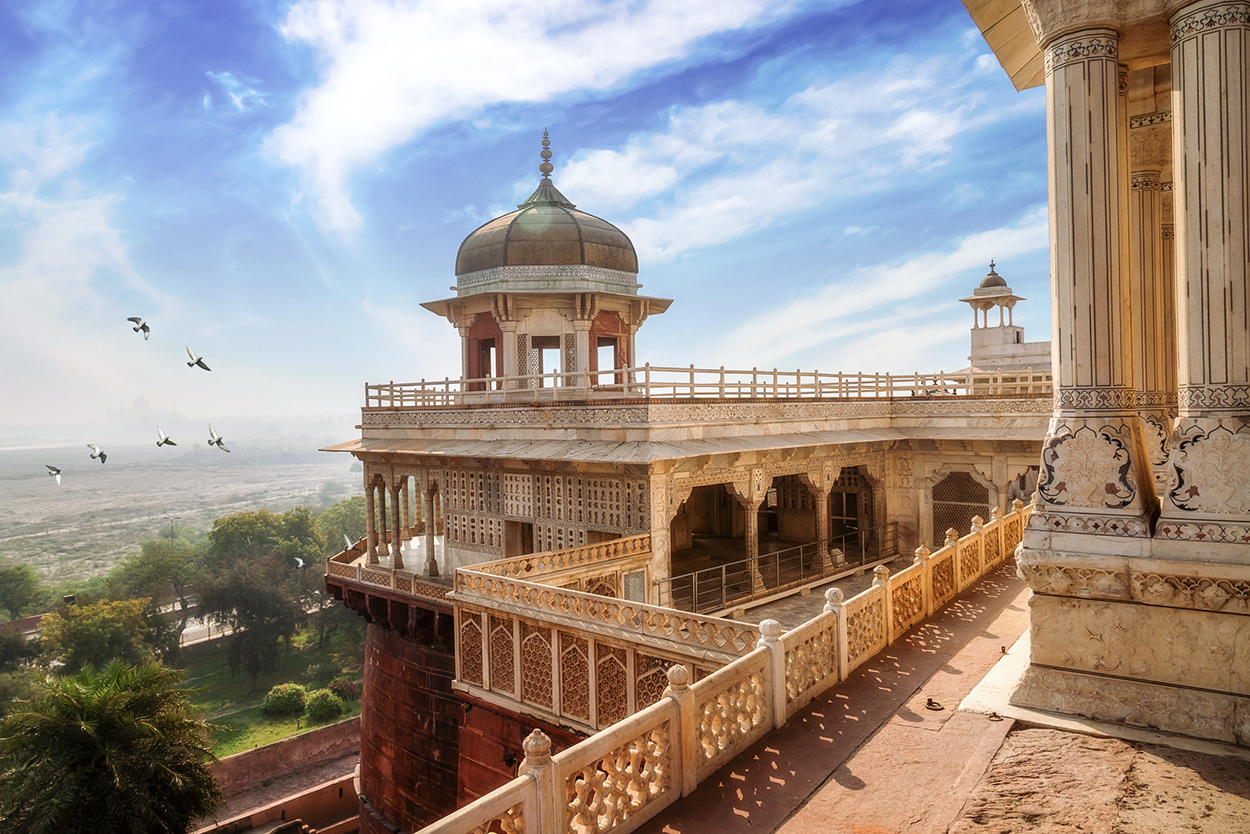
A short distance away from the gardens of the Taj Mahal, Agra Fort is a mighty fortress and former residence of the Mughal Emperors. Within the 2.5 km-long enclosure walls, you will find some of the most delicate Mughal Architectures, such as the Jahangir Palace – the largest residence of the complex – and the pearl mosque that was made entirely from white marble. Also worth exploring is the hall of public and private audiences, which served as an elegant space to host kings, dignitaries, and ambassadors. Adjacent to the private hall, you will also find the octagonal tower known as the Musamma Burj, the residence of Shah Jahan’s favorite empress, Mumtaz Mahal, before she was laid to rest in the Taj Mahal
Road transfer to Delhi
Day 6 - 8
DelhiAccommodations in Delhi

Private Tour of Old Delhi
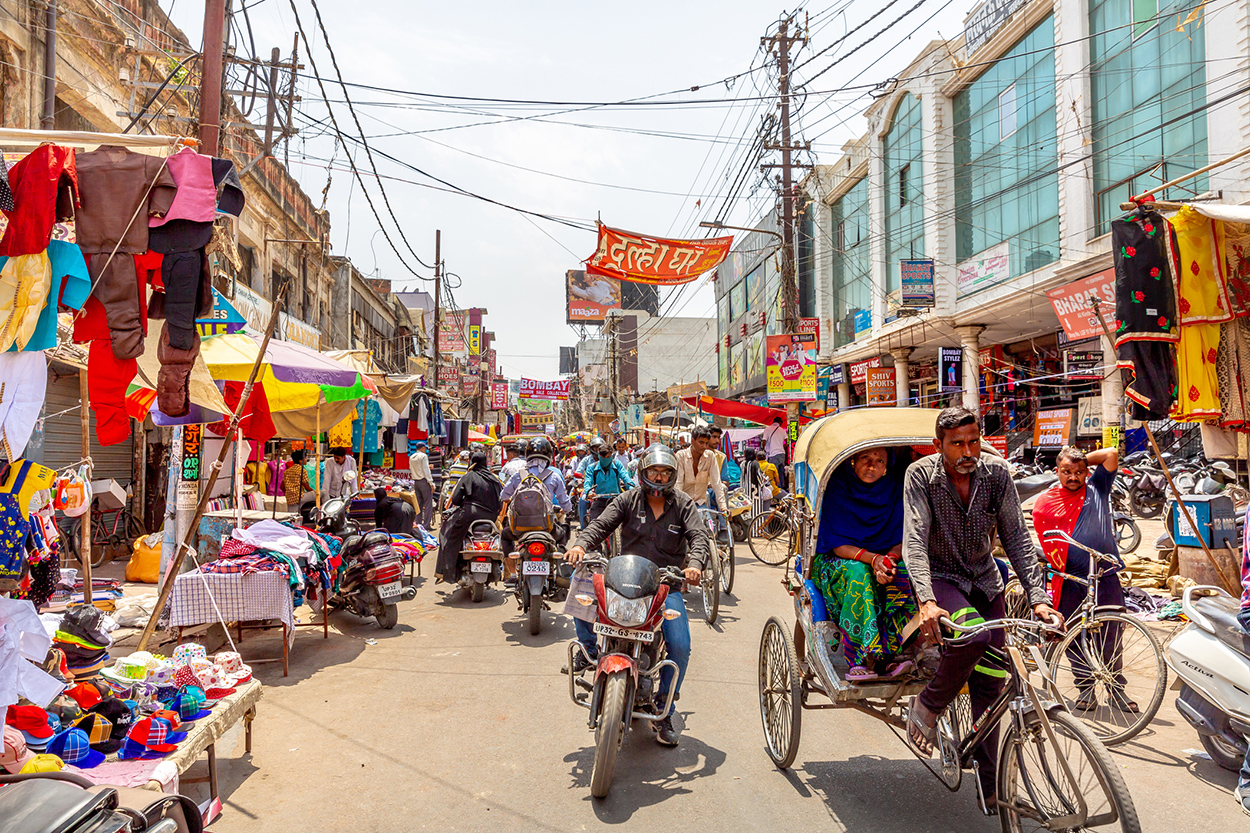
Behind the towering skyscrapers and glitzy malls of Delhi, lies a seemingly chaotic and disorder Old Delhi that was once the capital of the Mughal Empire until the mid-1800s. The real beauty of Old Delhi is hidden somewhere along the winding streets, and your private guide knows exactly where to find them. Your exploration begins at the Chandni Chowk bazaars, one of the oldest and most iconic markets in Delhi, that will guarantee to engage all your senses. Since first established by a Mughal princess 400 years ago, local merchants have used these narrow lanes and streets to sell all kinds of goods, from silver in the past to textile, street food, and antiques today.
You will also have the opportunities to learn various fragrances of India in nearby Khari Baoli market that sells aromatic spices, perfumed herbs, and many other fresh products. On your way back to the hotel, stop at the Jama Masjid, considered to be India’s largest mosque, to recall a little bit of former opulence of the Mughal Empire.
Private Tour of Delhi's Monuments
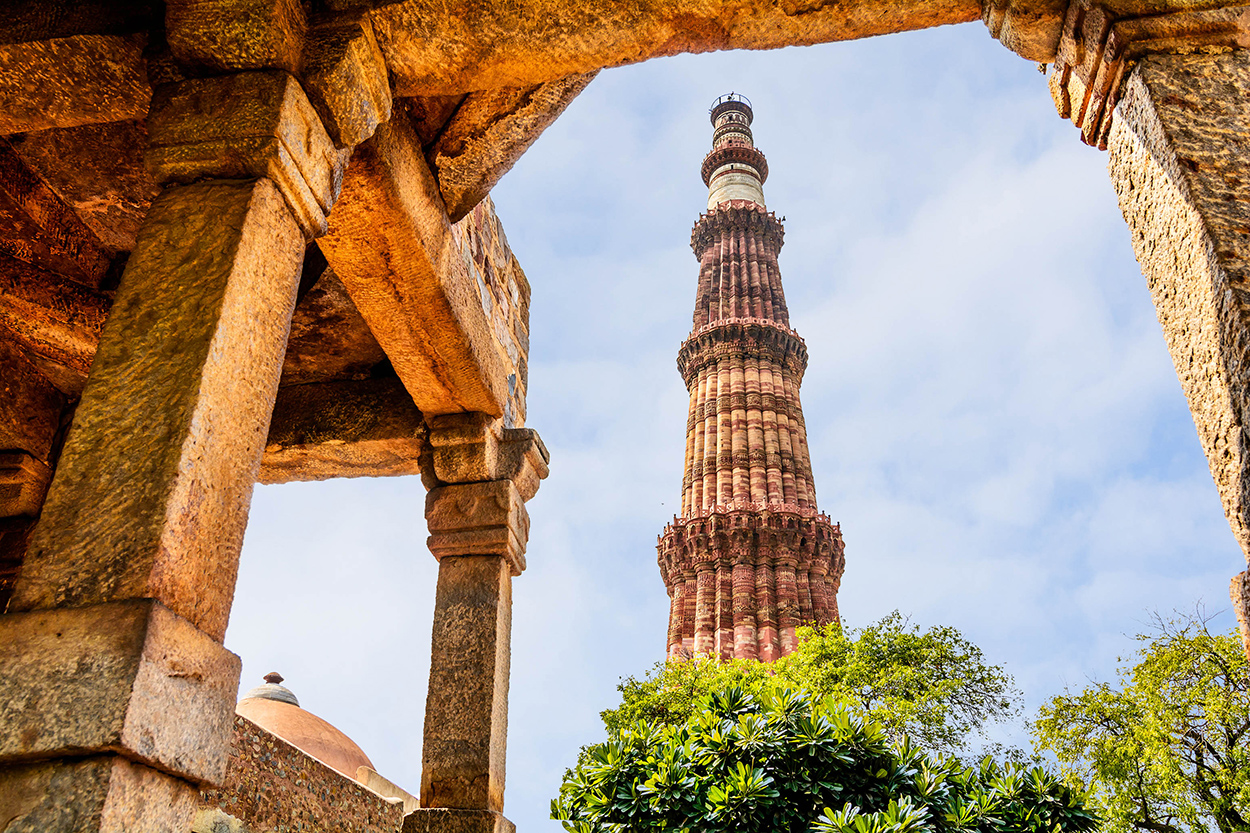
While there are many stunning monuments to discover in Delhi, this privately guided tour will cover three of the most prominent in the city. The first one is the slender 72.5 meters-tall column of Qutb Minar, which was first built in 1199 AD to commemorate the victory over the Rajput king and the beginning of Muslim rulings in India. The second site is the Humayun’s Tomb, the final resting place of the Mughal Emperor Humayun. This impressive complex is composed of earthy red sandstone and pure white marble – one of the first Mughal Architectures built in India, which later inspire the rest of buildings across the country, including the famous Taj Mahal.
Driving past the India Gate, you will finally reach your third and final destinations, the tranquil Lodhi Garden. This manicured lawn is a popular hangout place among the locals, but also notable for its various sultanate tombs scattered over the grounds
Private transfer to Indira Gandhi International Airport
More Destinations
Tailor your Holidays
Combine this itinerary with other wonderful Indian Experiences
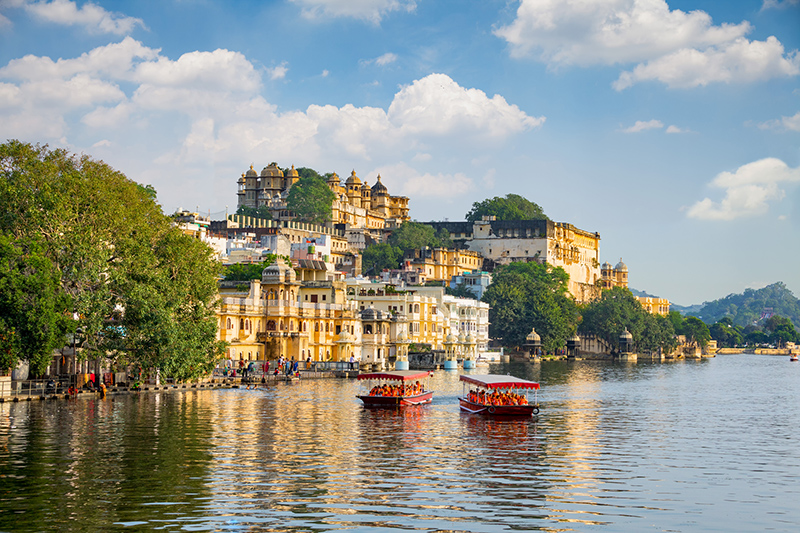
Venture to Udaipur, the City of Lakes
Glide along the serene Lake Pichola in Udaipur and discover a series of man-made islands, historic palaces, and elegant mansions along the lake shore
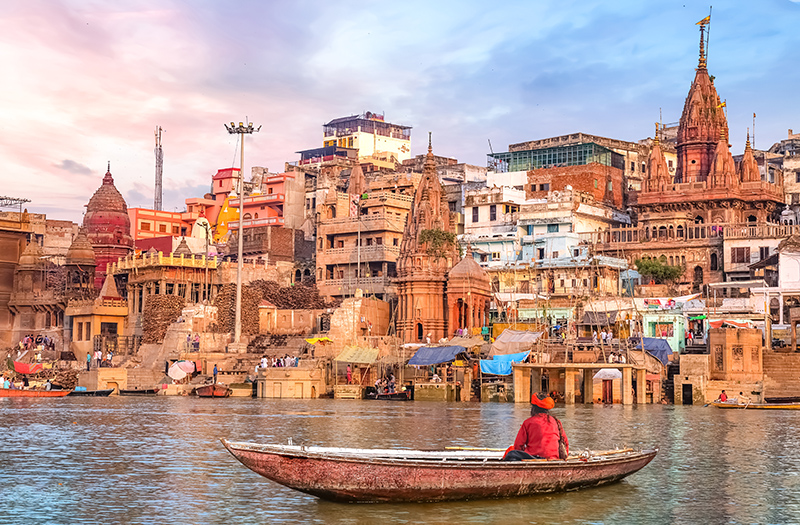
Embark on a Spiritual Journey to Varanasi
Set off on a sunset boat ride along the River Ganges with the magical sight of thousands of tiny candlelit lamps while discovering the spiritual significance of this sacred river
Our Partners






Ready to travel with us?
Talk to one of our designers and let us plan your journey of a lifetime
OR