Best Time to Visit
Autumn is big in Bhutan due to the many festivals that occurred from September to November, such as the Thimphu Tsechu and the Black-Necked Crane festival. It is also the season when Bhutan’s sky is at its clearest, giving you a spectacular Himalayan view. Alternatively, February to April gives travelers a full display of Bhutan’s abundant flora and a chance to see smaller festivals such as the Punakha and Paro Tsechu
- Jan
- Feb
- Mar
- Apr
- May
- Jun
- Jul
- Aug
- Sep
- Oct
- Nov
- Dec
Outdoor Adventure
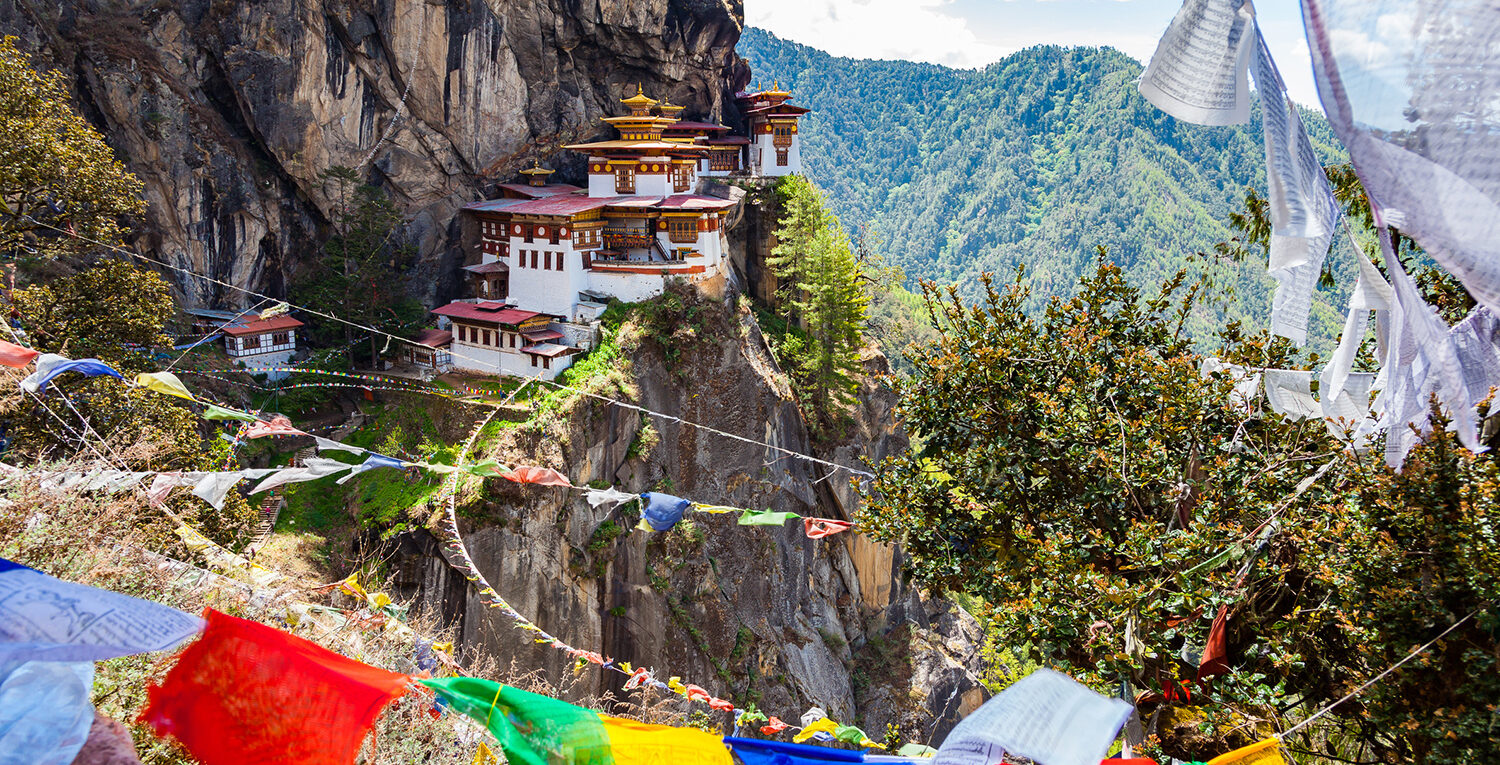
Conquer the Tiger Nest
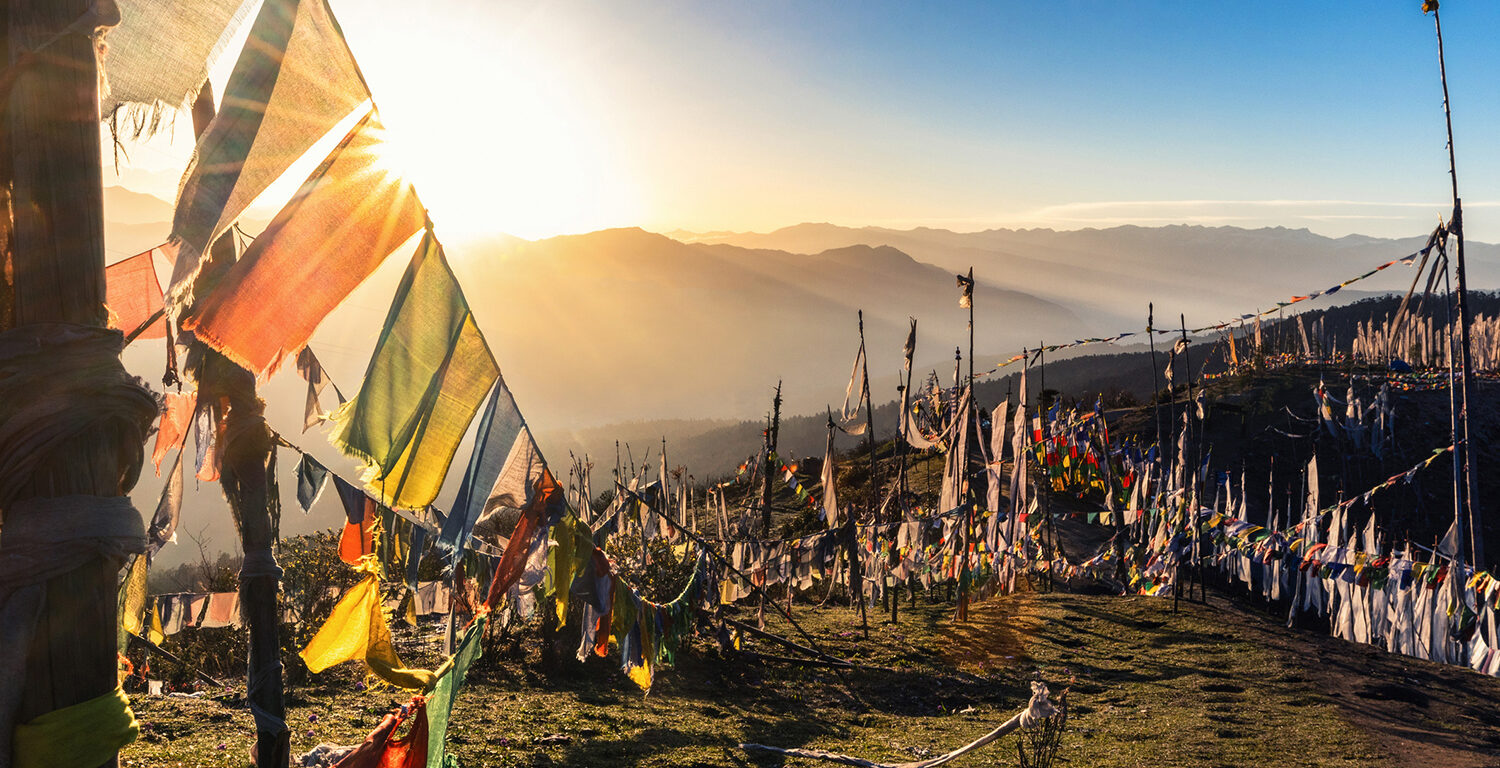
Follow the legendary trail of Guru Rinpoche, Bhutan’s most respected religious figure, on a three hours hike to the Taktsang Monastery, also commonly known as the Tiger’s Nest. Many believe that a tigress once carried Guru Rinpoche from Tibet to the temple, where he meditated for about three years – a ritual now common among local Bhutanese. Along the serene path are tons of colorful prayer flags and beautiful mountain vistas to calm your mind – a critical part of the pilgrim to ensure one enters the monastery with an open heart.
Culture & History
Black-necked Crane Festival
The only alpine crane species in the world, the black-necked crane is one of the world’s rarest aviaries and a sacred creature for Bhutanese. Every November, these birds migrate from Tibetan Plateau to the picturesque Gangtey Valley to feed on the dwarf bamboo that grows there. Their presence also brings local children, farmers, and monks to the area, who showcase their cultural heritage through masked folk dances and songs. For visitors, it’s not only an opportunity to experience one of Bhutan’s most famed festivals but also to raise awareness and support their commitment to protecting these sacred birds